Flooring comes near the end of the build, which means you’re often one of the last trades paid. By the time you’ve installed hybrid through a new home, sanded and coated a timber floor or ground and polished a slab, the builder is chasing the final payment from the client and you’re waiting in line.
Meanwhile you’ve already paid for the stock, the adhesive, the underlay and your crew. Fast finance keeps the business moving while the money catches up.
Why flooring installers need fast finance
The pressures are pretty clear for most flooring businesses:
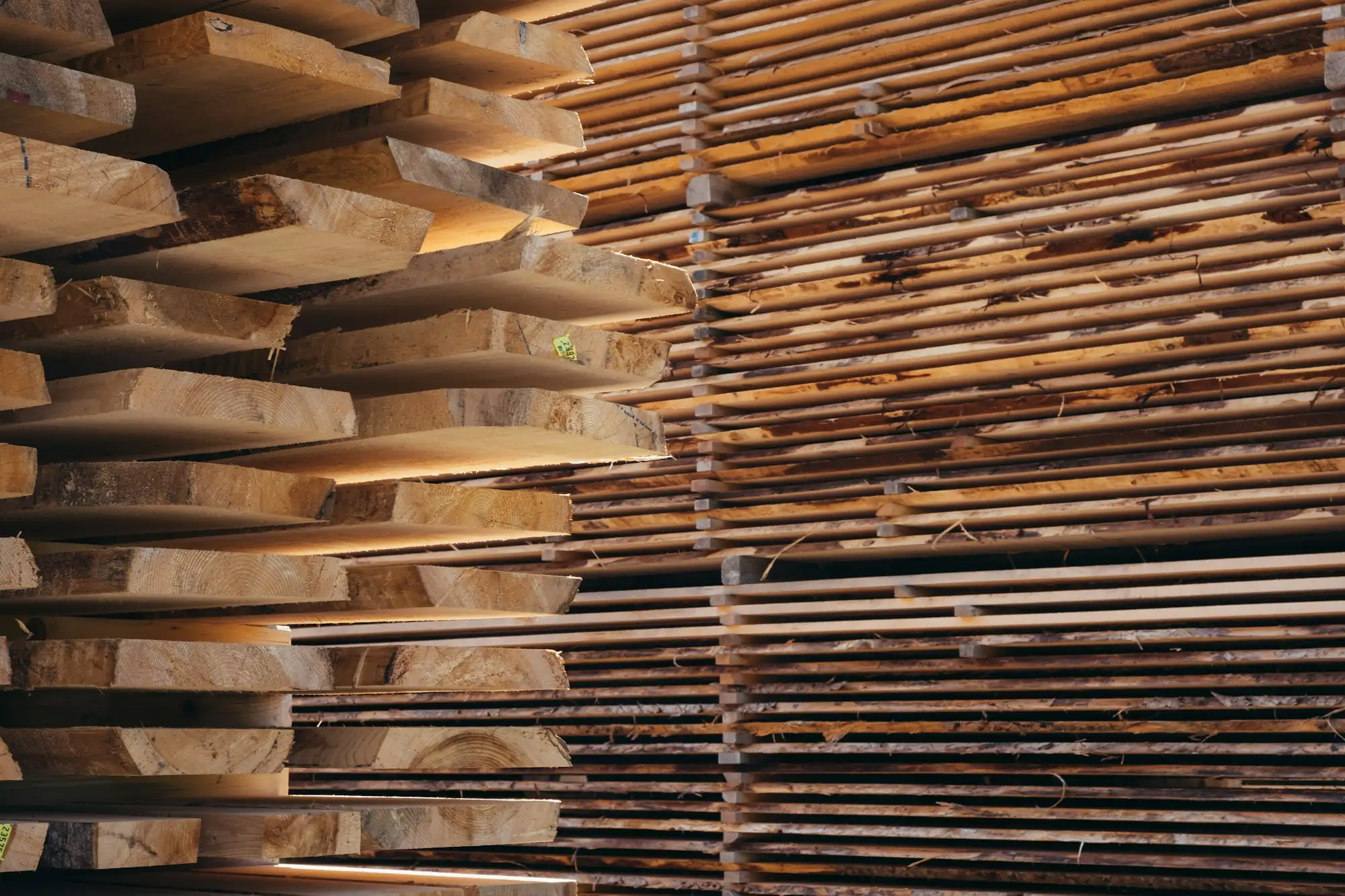
- Stock is the big cost. Engineered timber, solid hardwood, hybrid, vinyl plank and carpet all need to be ordered and paid for before install, and timber often needs time on site to acclimatise.
- Late in the build. Builders often pay flooring at or after practical completion, and delays upstream push your payment back further.
- Subfloor surprises. Uneven slabs, moisture problems and levelling can add unplanned costs.
- Insurance work. Flood and water damage jobs are steady but insurers and builders can be slow to pay.
- Specialist gear. Floor sanders, concrete grinders, extraction and a van big enough to carry stock.
What flooring businesses use finance for
Stock for builder and project work
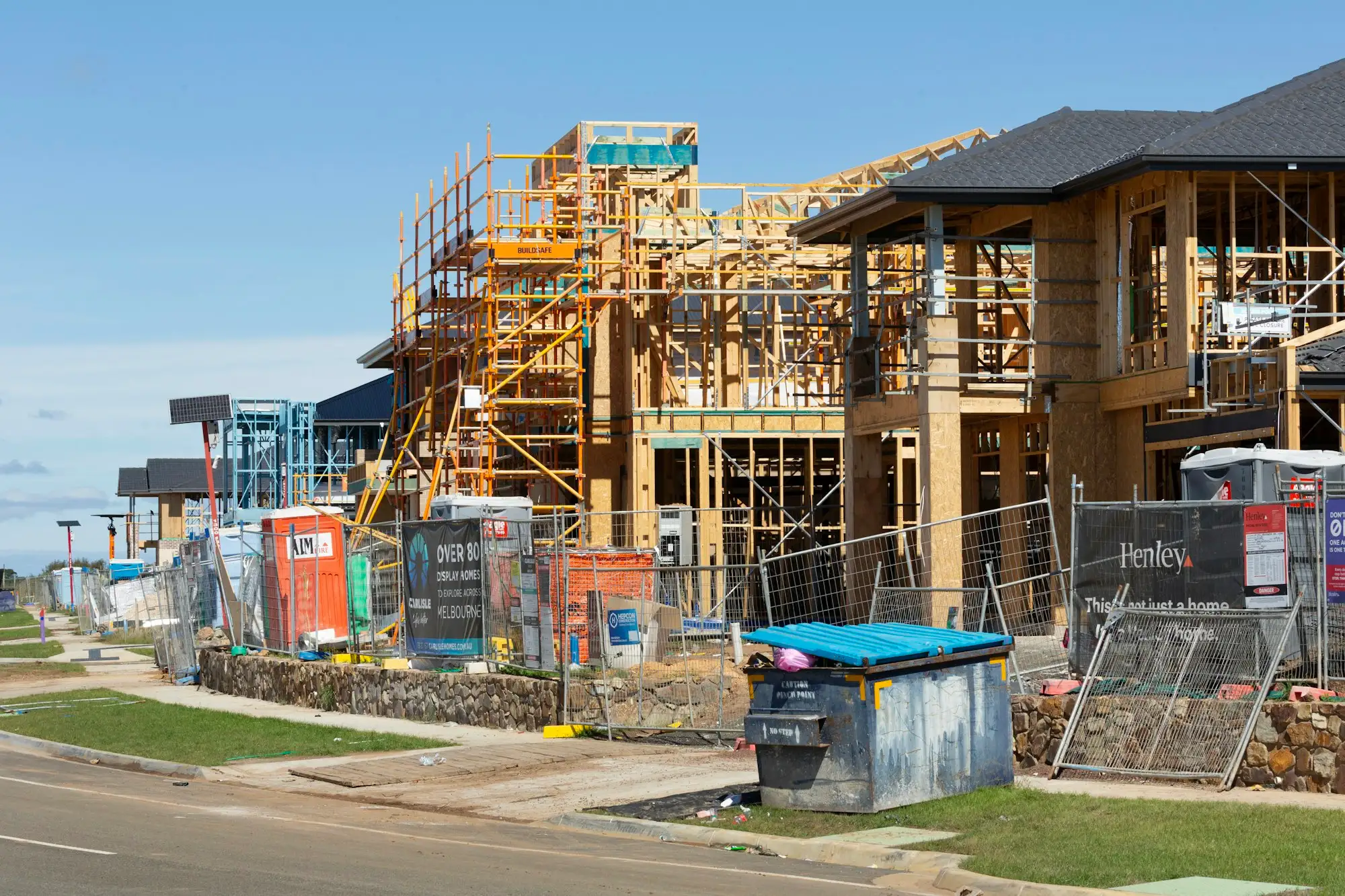
Supplying and laying floors for a builder’s run of estate homes or a small townhouse project means big stock orders. Building materials finance is designed for that.
Waiting to be paid as a subbie
If you’re subbing to builders and waiting 30 to 60 days after each home, subcontractor finance bridges the gap until the payments land.
Sanders, grinders and vans
Upgrading gear lifts your output and the quality of your finish. A fast loan buys it outright. See equipment finance for tradies.
Paying an ATO debt
A lump sum to clear a BAS or PAYG debt stops the pressure and lets you keep quoting and working.
Opening a showroom
Many flooring businesses win more retail work once clients can see and touch the product. A small showroom fitout with display boards and samples can be funded with a fast business loan.
Secured vs unsecured flooring loans
Secured loans suit flooring installers who own property: a home, an investment property, a warehouse unit or land. A fast second mortgage, fast first mortgage or bridging loan can fund in as little as 24 hours in some cases. No financials are needed, bad credit is considered and terms typically run 1 to 12 months. In Victoria, a caveat loan is another option.
Unsecured loans suit flooring businesses with an ABN, six months or more of trading and recent business bank statements. The loan is sized to your turnover, and some are approved and funded within hours.
All loans are for business purposes. Every loan is priced on your circumstances, and our lending team finds the sharpest rate available for your situation.
Example: a supply and lay contract for a builder
Example only. A flooring business in Melbourne’s west is offered supply and lay for 12 homes in a builder’s new estate. Each home needs hybrid and carpet, and the builder pays 30 days after each home is complete. The stock for the first six homes is around $75,000.
The business has traded for four years with steady bank statements. An unsecured cash flow loan of $80,000 covers the stock and extra labour. As each home is paid, the loan comes down, and the business builds up enough cash to fund the second six homes itself.
How fast can a flooring installer get finance?
Our form takes about 60 seconds. A lending specialist calls you back to talk it through. Some unsecured loans are approved and funded within hours. Secured loans can fund in as little as 24 hours in some cases, and typically within a few days once valuation and documents are in.
What to have ready
- ABN and business details
- Recent business bank statements (unsecured)
- Details of property you own (secured)
- Supplier quotes for stock or equipment
- Builder contracts or job schedules
Key facts
- Loan size: $20,000 to $5 million
- Security: property equity, or unsecured for businesses trading six months or more
- Speed: hours for some unsecured loans; as little as 24 hours for some secured loans
- Term: secured loans typically 1 to 12 months
- Suits: timber, hybrid, vinyl, carpet, sanding and polished concrete businesses
Lay the floor, not the stress
Don’t let late payments hold up your next job. See if you qualify in about 60 seconds and we’ll tell you quickly if we can help.