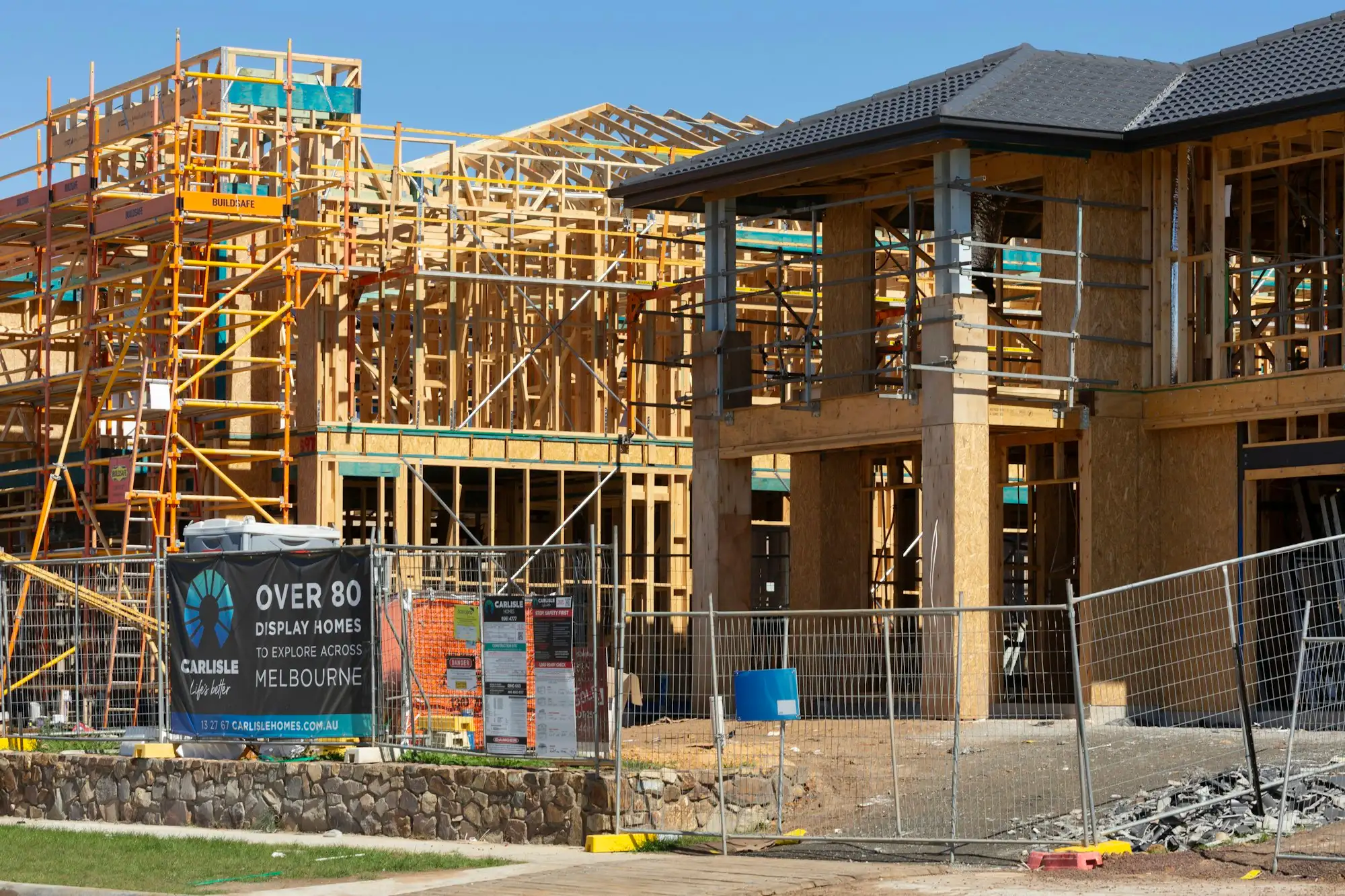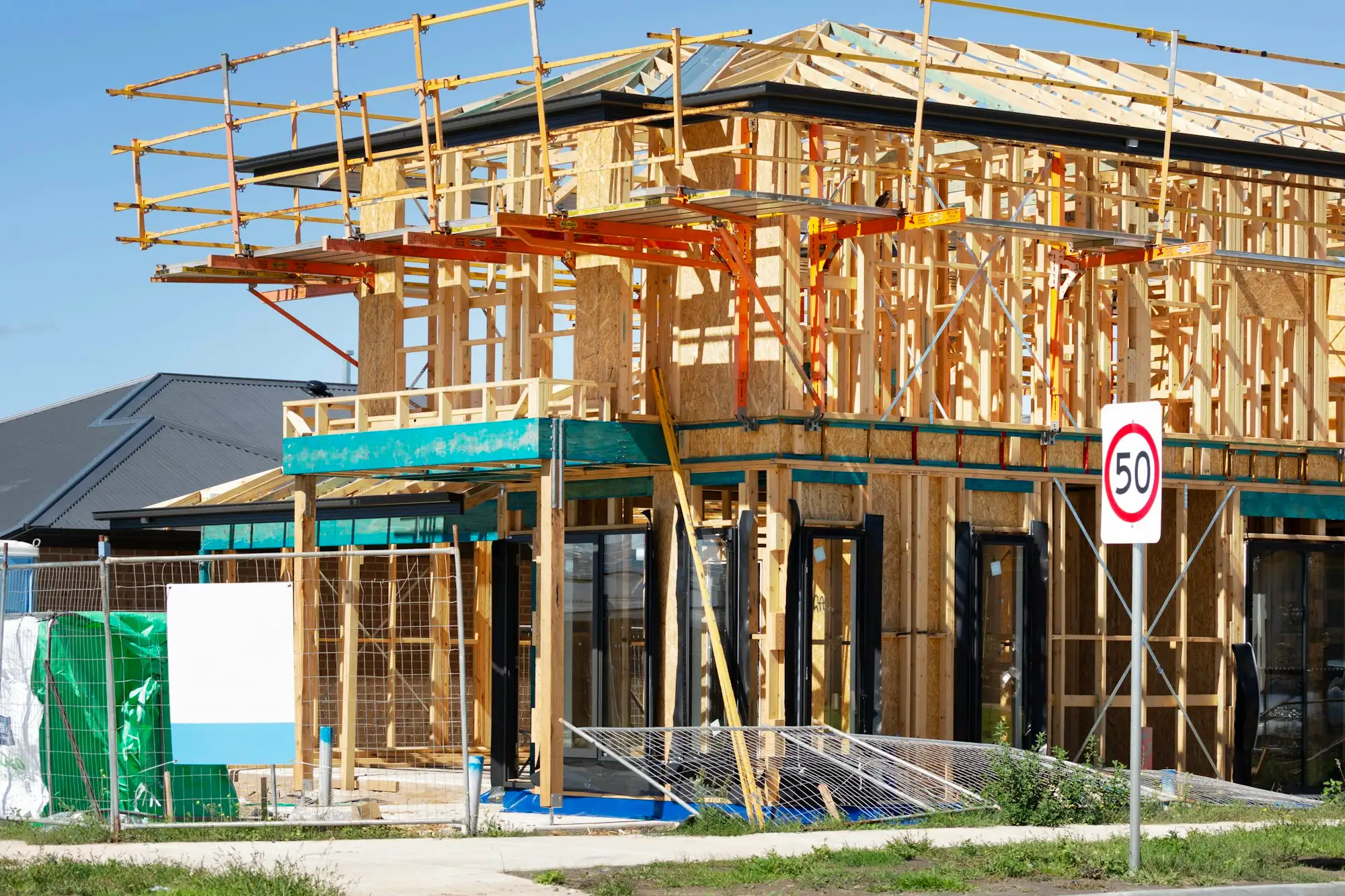
Building materials finance solves one of the oldest problems in construction: suppliers want paying before the materials leave the yard, and your client pays weeks later. When a job needs a full frame package, a roof, a truckload of bricks or a big steel order, the money has to come from somewhere. A short, fast loan means you can place the order now, keep your trades working and repay the loan when the job pays.
Why do builders and trades need finance for materials?
Materials are usually the biggest cost a trade business carries up front. Common pressure points:
- Cash on delivery suppliers who won’t extend credit
- Trade accounts at their limit, so the next order can’t go through
- Accounts on stop because of an overdue balance
- Price rises announced for next month, making it smart to buy now
- Bulk discounts that need a big payment today to save later
- Long lead items like windows, steel or trusses that need a deposit months ahead
- A new contract bigger than anything you’ve done before
None of these mean the business is struggling. They mean the timing is out of step.
Key facts
- Loan size: $20,000 to $5 million
- Security: property you or a guarantor own (home, investment, commercial or land), or unsecured for businesses trading 6+ months
- Speed: some unsecured loans within hours; property loans in as little as 24 hours in some cases
- Term: typically 1 to 12 months for property secured loans
- Paperwork: no financials for property loans; business bank statements for unsecured
- Credit: bad credit considered on property secured loans
- Funds: can often be paid directly to suppliers
Does buying in bulk actually save money?
Sometimes it does, and sometimes it doesn’t. It’s worth running the numbers before you borrow.
Example (hypothetical): a builder has three homes starting over the next four months. A timber supplier offers a meaningful discount for a single order covering all three frames, paid up front. The builder compares the saving against the cost of a short loan to pay for it, plus storage and the risk of damage on site. If the saving clearly outweighs the cost, it makes sense. If it’s close, it may not be worth the hassle.
Things to weigh up:
- The size of the discount or the price rise you’re avoiding
- Where the materials will be stored and whether they’ll be protected
- How soon you’ll actually use them
- The total cost of the loan for the time you’ll hold it
Our guide to buying building materials in bulk walks through this in more detail.
Secured or unsecured materials finance?
Unsecured. If your business has traded for six months or more with an ABN, an unsecured loan sized to your turnover may cover a materials order quickly, sometimes within hours. It suits moderate orders and repeat buys. See cash flow loans for tradies.
Property secured. For larger orders, several jobs’ worth of materials, or where turnover doesn’t support an unsecured loan, a loan secured against your home, investment property, yard or land gives more room. No financials needed, and bad credit is considered.
Getting a supplier account back on track
If your account has gone on stop, deliveries stop, and so does the job. A loan to clear the overdue balance usually gets the account reopened quickly. When you enquire, have your supplier’s statement ready showing what’s owed. That way, funds can often be paid directly to the supplier at settlement.
It’s also worth asking your supplier what limit they’ll offer once the account is cleared. A clean slate is a good time to reset terms.
Real world scenarios
These are examples only.
Example: the roofer with a big commercial job. A roofing business wins a contract to roof a row of factory units. The metal roofing order is larger than anything the business has placed before, and the supplier wants a large deposit. The owner uses a second mortgage over their home to fund the order and repays it from the builder’s first two claims.
Example: the bricklayer and the price rise. A bricklaying business hears that a supplier’s prices are going up next month. It has two large jobs booked. An unsecured loan covers the full brick order at current prices, and the business repays it as each job progresses.
Example: the frame that needed releasing. A small builder’s frame and truss package is ready, but the supplier won’t release it until the account is paid down. The client’s payment is still two weeks away. A short loan clears the account, the frame arrives, and the carpenters stay on schedule. If this sounds familiar, see progress payment gap finance.
Common mistakes
- Buying too far ahead. Materials that sit on site for months can be damaged or stolen.
- Ignoring the loan cost in the saving. A bulk discount only helps if it’s bigger than what the finance costs.
- Using the materials money for something else. Keep it tied to the order so the job stays on budget.
- Leaving it to the day of delivery. Enquire as soon as you know an order is coming.
Pricing
Every loan is priced on your circumstances. We find the sharpest rate available for your situation and show you the full cost up front, so you can work out whether the deal stacks up.
Need materials paid for? Check your options in 60 seconds. It won’t affect your credit score, and a lending specialist will call you back. For broader business funding, see builder finance.