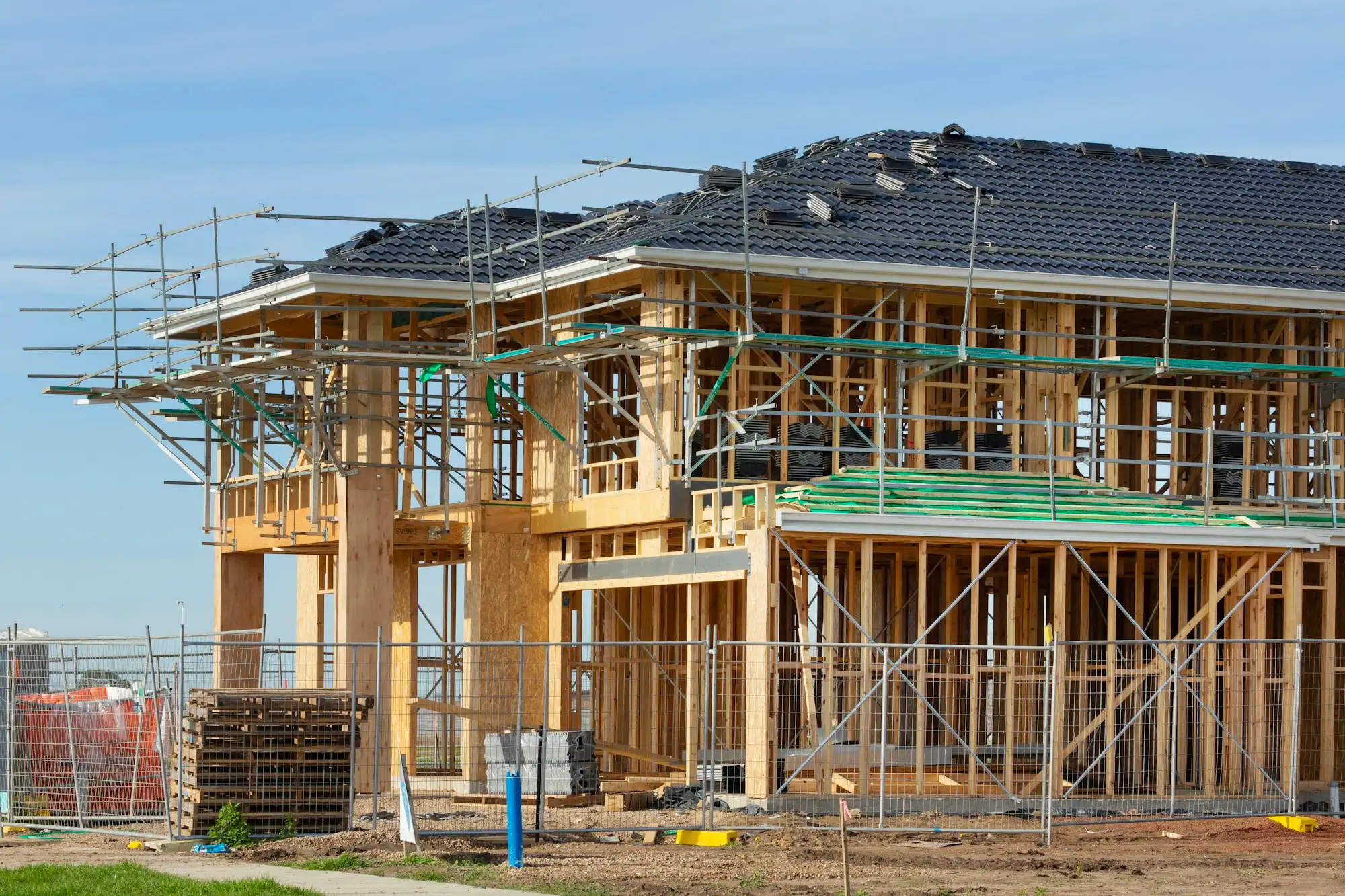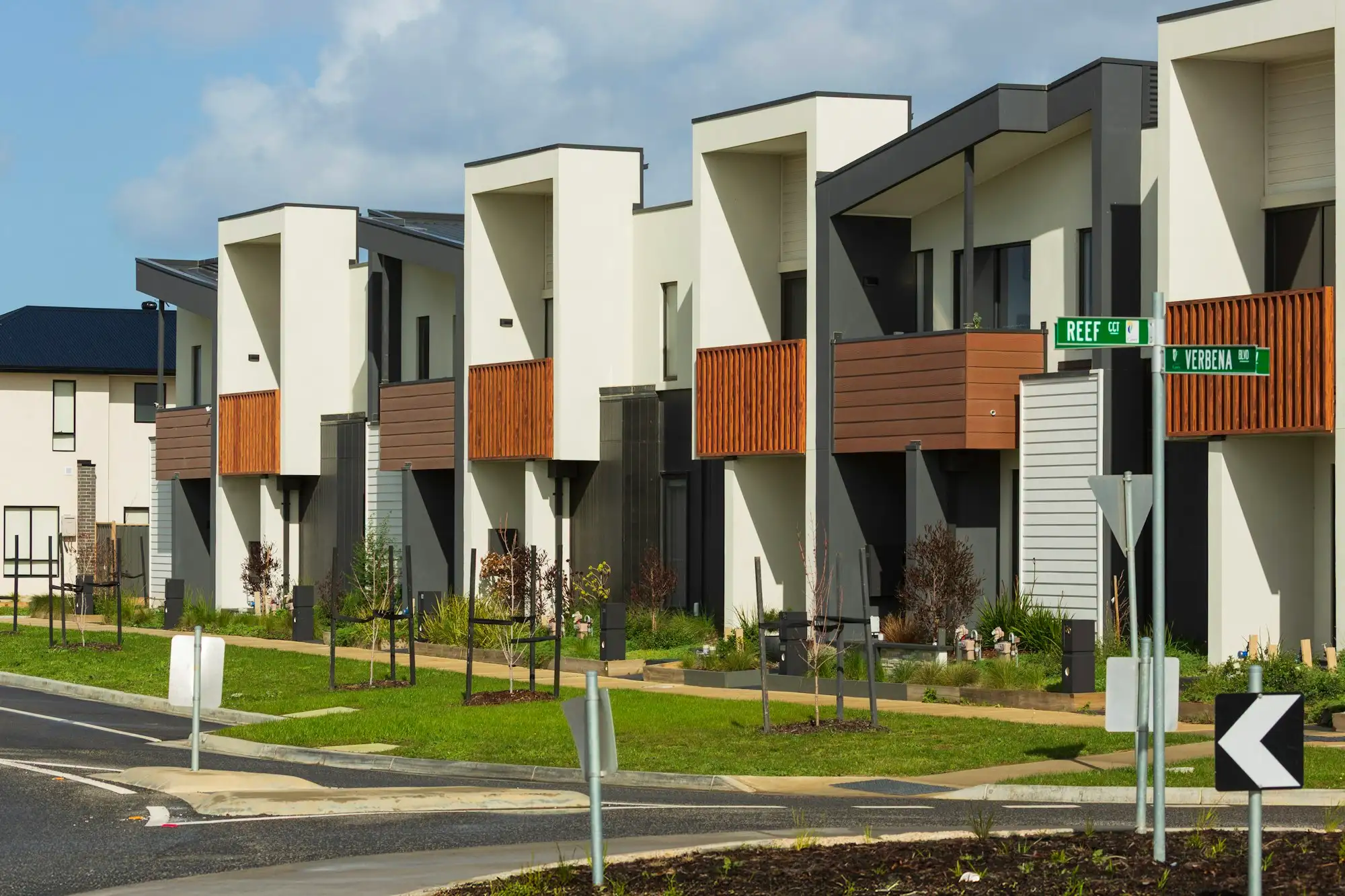
Construction loans from the big banks were built for people building their own home, with a draw schedule, progress inspections and a credit team that wants everything signed off before a single cent moves. That process works for some, but it’s slow and it breaks the moment something changes on site. Our fast construction loans take a different approach. They’re secured against property you already own, so the build doesn’t have to be finished, inspected or valued for the money to be available.
Here’s how they work, what they suit, and how to size one properly.
What can a construction loan pay for?
We fund small builds only. Typical projects include:
- A single house or a pair of homes on one block
- A duplex or dual occupancy
- Three or four townhouses
- A shed, workshop or farm building
- A factory unit, small warehouse or small office
The loan can pay for any genuine part of the build: site works, slab, frame, roof, windows, lock-up, fit out, landscaping and the trades in between. It can also cover the costs that don’t fit neatly into a bank’s draw schedule, like council and authority charges, a variation the client hasn’t paid for yet, or a crane hire nobody budgeted for.
Why are bank construction loans so slow?
A bank construction loan is usually secured on the build itself. That means the bank needs plans, a fixed price contract, a valuation of the finished product and inspections at each stage before it releases the next payment. Every inspection is a chance for a delay, and every delay holds up the trades.
Our construction loans skip most of that. We look at equity in property you or a guarantor already own, value that property, and settle the loan. You then have the funds available to use as the job needs them. No stage inspections, no waiting on a bank valuer to sign off lock-up.
Key facts
- Loan size: $20,000 to $5 million
- Security: equity in existing property (home, investment property, commercial property or land with equity)
- Speed: in as little as 24 hours in some cases, typically a few days once the valuation and documents are in
- Term: typically 1 to 12 months
- Documents: no financials or cash flow records needed for property secured loans
- Credit history: bad credit considered
- Suits: small builders, owner builders building for business or investment, tradies taking on their own project
How do you size a construction loan?
Getting the amount right matters more than getting it fast. Borrow too little and you’re back for a second loan halfway through the frame. Borrow too much and you’re carrying cost you didn’t need.
A simple way to work it out:
- List the build costs by stage, using quotes where you have them.
- Subtract money you already have or will definitely receive before each cost is due.
- Add a buffer for weather, variations and late trades. Most experienced builders allow for something.
- Match the term to when your exit money arrives, with a bit of breathing room.
Example: a builder is putting up two single storey homes on a subdivided block in Toowoomba. Their quotes add up to more than they’ve got in the business account, leaving a shortfall of roughly $380,000 through to lock-up. They add a buffer and apply for around $420,000, secured by a second mortgage over their own home, on a term that runs until the first home is sold. This is an illustrative example only.
What security works for a construction loan?
Anything with equity that can be valued quickly:
- Your home, often through a fast second mortgage that sits behind your existing home loan
- An investment property, with or without a loan already on it
- Commercial property, like your yard, factory or warehouse
- Land with equity, including the block you’re building on if it has enough equity already
If the property is owned outright, a fast first mortgage usually gives you the most room. In Victoria, a caveat loan can be an option for very quick deals. Everywhere else, a second mortgage does the same job.
How do you repay a construction loan?
Every construction loan needs a clear way out before it starts. Common exits include:
- Selling one or more of the finished dwellings
- Refinancing to a longer term loan once the build is complete
- Receiving a large contract payment or progress claim
- Selling another property
Your lending specialist will ask about this early, because the exit decides the term. If you’re not sure yet, our guide to exit strategies for short term loans walks through the options.
Mistakes builders make with construction loans
- Treating it like a line of credit. It’s a loan with a set amount and term. Plan the whole job, not just the next week.
- Ignoring the tail end. Fit out, landscaping and final trades often cost more than people expect. Budget for them.
- Leaving it too late. The loan can move fast, but the valuation still takes a day or two. Start the conversation when the job is confirmed, not when the concreter’s truck is on the way.
- Forgetting holding time. Sales take time to settle. Give yourself enough term to cover the build and the sale.
Ready to fund your build?
If you’ve got a small build ready to go and property with equity behind you, check your options here. The form takes about 60 seconds, won’t affect your credit score, and a lending specialist will call you back to talk it through. For a wider view of how we fund the industry, see our construction finance overview.