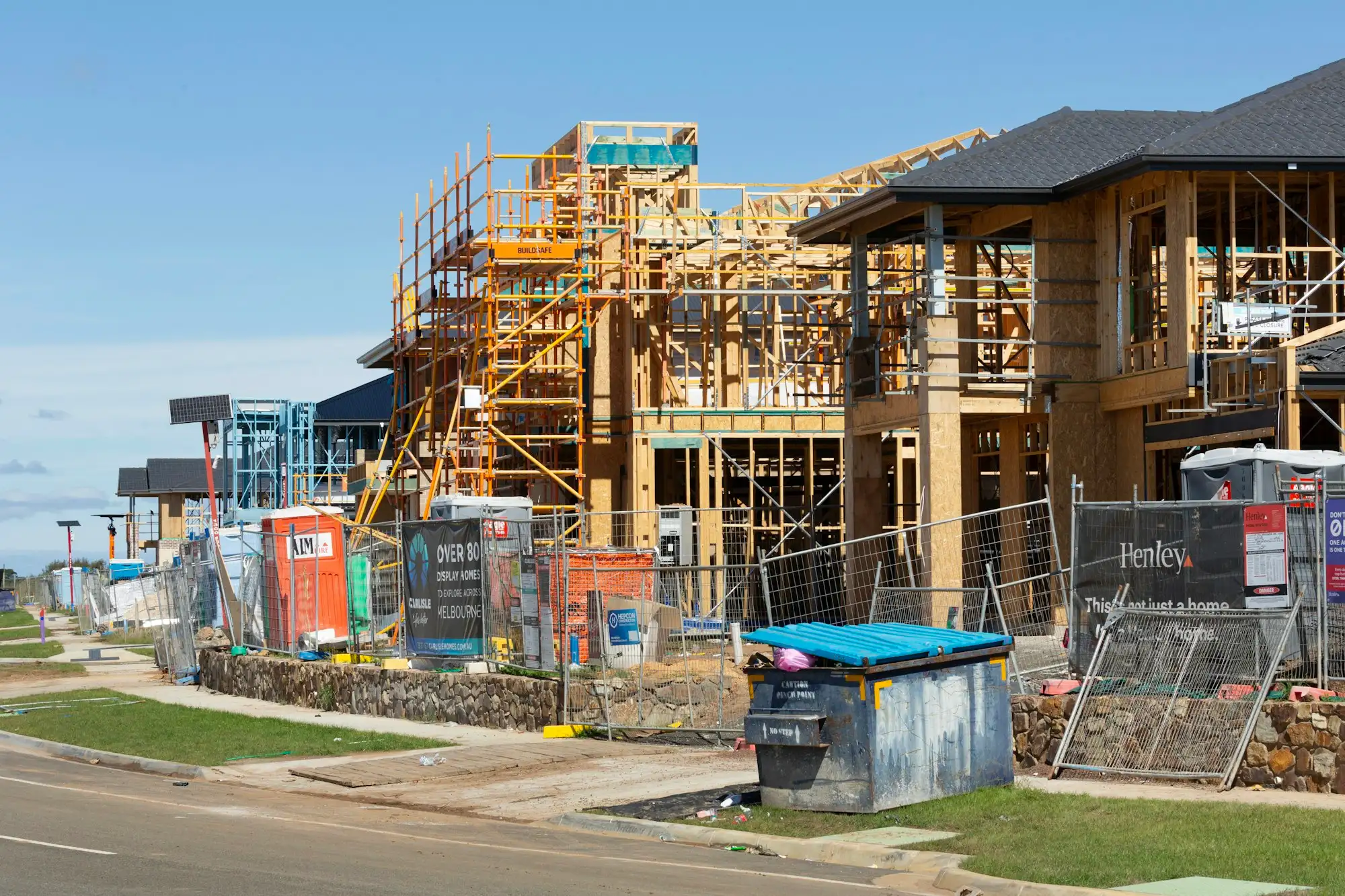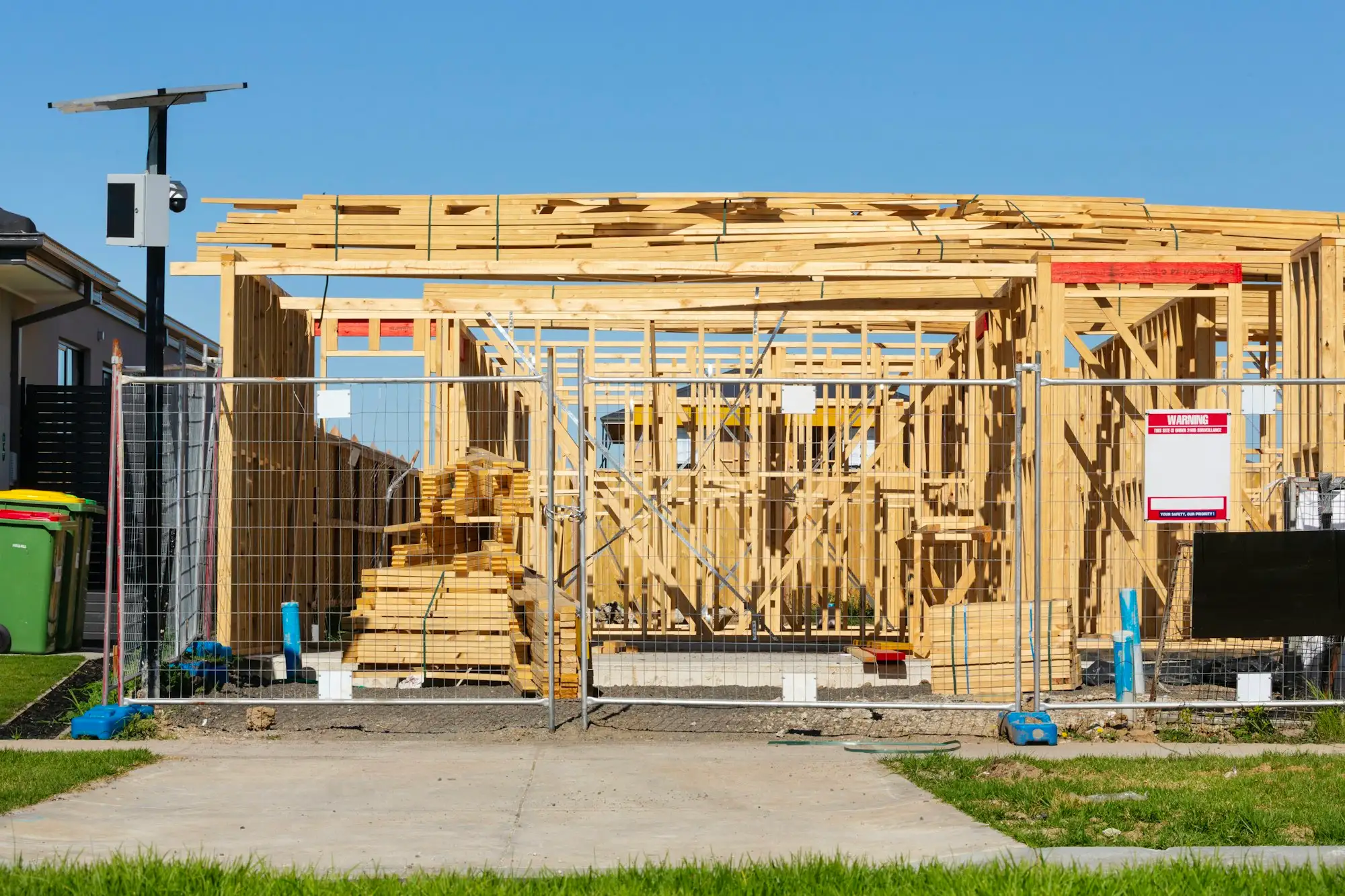
A stalled build is expensive in ways that don’t show on a quote. Weather gets into the frame. Trades take other work and don’t come back. Holding costs keep running, and the sale or refinance that was meant to repay everything drifts further away. The good news is that most stalled small builds can be restarted. It takes a clear plan, an honest number and the right funding.
Key takeaways
- Every week a build sits idle adds cost and risk. Move quickly.
- Get a detailed, honest cost to complete before you borrow anything.
- Fund the whole shortfall plus a contingency. Running short twice is worse than once.
- Completion loans are secured against existing property, not the unfinished build.
- Your exit, usually a sale or refinance, decides how long you should borrow for.
Why do small builds stall?
Builds stall for all sorts of reasons, and usually more than one at a time:
- costs blew out on materials or trades
- variations weren’t priced or paid
- a client, head contractor or buyer stopped paying
- the original funding ran out before practical completion
- a builder or key subbie went broke or walked off
- an ATO debt or other debt drained working capital
Builder failures are a real risk in this industry. ASIC’s June 2026 corporate insolvency update shows construction accounted for 24.4% of external administration appointments from July 2025 to May 2026, the largest share of any industry. If you’re picking up a job after someone else’s business has failed, or you’re a builder whose own project has run into trouble, the steps below still apply.
Step by step: how to restart a stalled build
- Secure the site. Check fencing, cover exposed timber, protect materials from theft and weather. Make sure insurance is current.
- Work out where the job is really at. Walk the site with a trusted carpenter or supervisor. What’s done, what’s damaged, what needs redoing?
- Get a detailed cost to complete. Break it down by trade and stage: roof, windows, plaster, fit off, painting, landscaping, fees. Get real quotes, not guesses.
- Add a contingency. Stalled jobs almost always uncover extra work.
- Sort out who’s owed what. Unpaid trades and suppliers may not return until old accounts are dealt with.
- Lock in your trades. Get firm start dates before you draw funding, so the money goes straight into progress.
- Fund the full shortfall. Borrow enough to reach completion, not just the next stage.
- Confirm your exit. Know who’s buying, what it’s likely to sell for, or who’s refinancing, and when.
What does a cost to complete need to include?
| Item | Why it matters |
|---|---|
| Remaining trades by stage | The core of the number |
| Materials still to buy | Prices may have moved since the original quote |
| Rectification of damage or defects | Weather and time take a toll on idle sites |
| Outstanding amounts owed to trades and suppliers | Often needed to get them back on site |
| Council, certifier and connection costs | Easy to forget, and they hold up occupancy |
| Holding costs until the exit | Rates, insurance, interest and land tax |
| Contingency | For the surprises every stalled job has |
A clear cost to complete does two things. It stops you borrowing twice, and it shows a lender the loan will actually get the job finished.
How can you fund the shortfall?
Construction completion loan. A short term loan secured against property you or a guarantor already own, such as your home, an investment property or land with equity. No financials needed, bad credit considered, and funding in as little as 24 hours in some cases. See construction completion loans.
Fast second mortgage. The most common structure where you already have a home loan. It sits behind your existing loan, so you don’t need to refinance. Read about the fast second mortgage. In Victoria a caveat loan may also be an option.
Unsecured cash flow loan. For a smaller shortfall where you’ve traded 6 months or more with an ABN. Sized to your turnover and based on recent bank statements.
Bringing in a partner or selling another asset. Sometimes the right answer, but usually slower.
If the situation is urgent, such as trades about to walk or a supplier threatening to pull an account, our urgent construction finance page explains how to move quickly.
Example: a spec duplex that ran out of money
Example only. A builder in Sunbury has a spec duplex at lock-up. Material costs have run well over budget and the original funding is spent. His cost to complete, including a contingency and money owed to his plasterer, comes to a hypothetical $260,000.
He owns his home with a modest bank loan. A second mortgage over the home covers the full amount for nine months. The trades are booked before the loan settles, work restarts within a fortnight, and the plan is to sell one side on completion and repay the loan from that settlement.
Example: finishing a job after a builder went broke
Example only. An investor in Townsville engaged a small builder for two townhouses, and the builder went into liquidation at frame stage. A new builder prices the rest of the job, including fixing defects in the frame.
The investor owns another property with strong equity. A property secured loan funds the new builder’s cost to complete, and the exit is a refinance to a longer term loan once the townhouses are finished and tenanted.
Mistakes to avoid when restarting a build
- Borrowing only for the next stage. You’ll be back in the same spot in two months.
- Skipping the contingency. Stalled jobs hide problems.
- Paying trades before they’ve committed to dates. Get the schedule locked first.
- Guessing the sale price. Use recent comparable sales, and be conservative.
- Waiting. Delay costs money every week.
Key facts
- Loan size: $20,000 to $5 million
- Security: existing property you or a guarantor own, not the value of the build
- Speed: as little as 24 hours in some cases, typically a few days
- Term: typically 1 to 12 months
- Suits: builders and investors finishing houses, duplexes, townhouses and small commercial builds
- Pricing: every loan is priced on your circumstances, with the sharpest rate available for your situation
Where to from here?
Before you borrow, read our guide to planning an exit strategy for a short term loan. Then see if you qualify in 60 seconds. Enquiring won’t affect your credit score and a lending specialist will call to talk through your cost to complete.