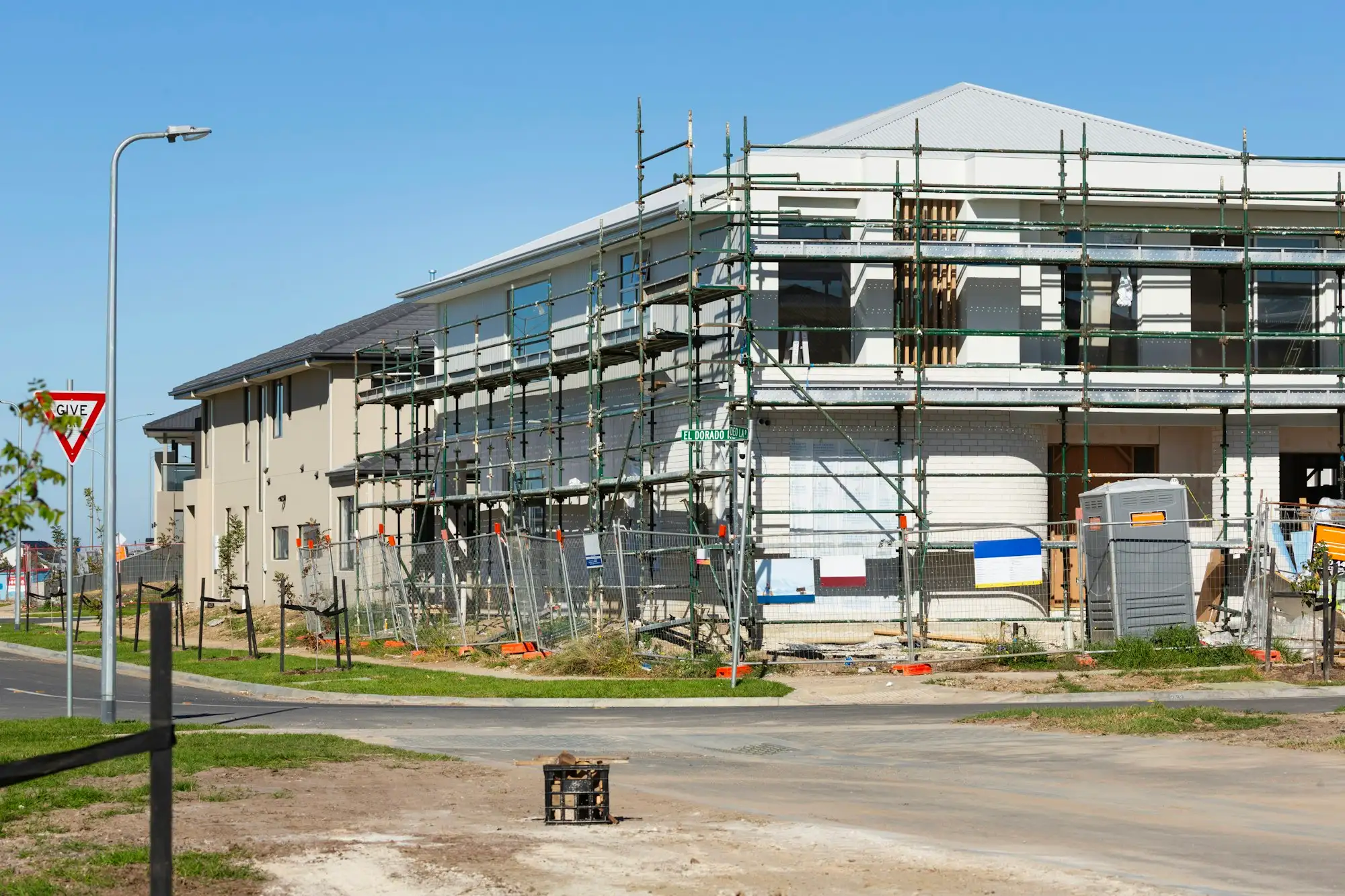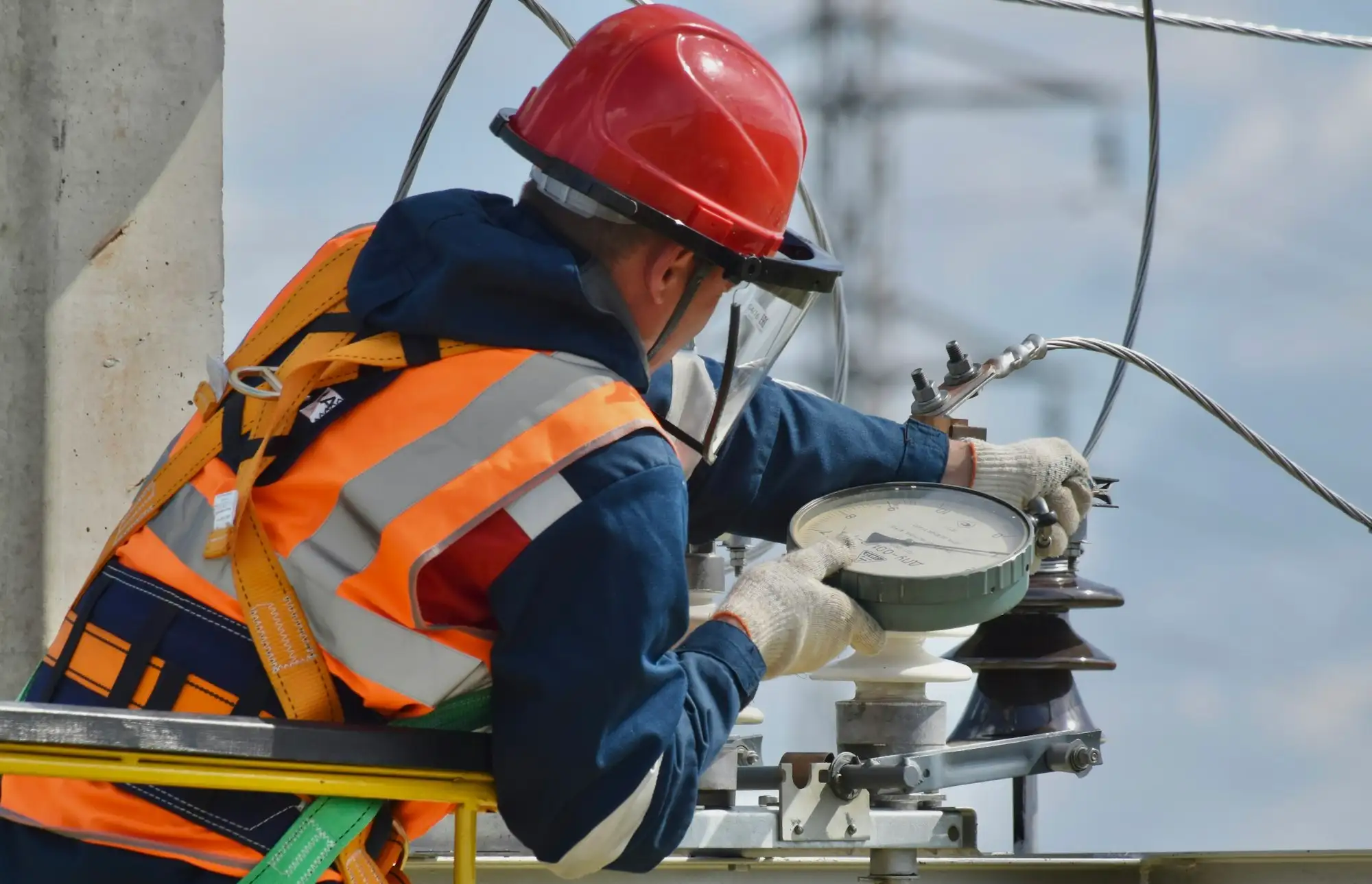
You’ve been running scaffold for someone else for years. You know the gear, you know the builders, and you can see what the boss charges versus what lands in your pay packet. So you start doing the maths on going out on your own.
Here’s the honest version of that maths. The gear is the big number, but it’s not the one that sends new scaffolding businesses broke. It’s the two or three months between putting up your first job and getting paid for it.
Key takeaways
- Stock is the biggest cost. A small residential start usually needs enough modular scaffold, planks, edge protection and fittings for three to six houses up at once.
- Every scaffolder on the crew needs the right ticket. Scaffolding work over 4 metres needs a high risk work licence (SB, SI or SA).
- Builders pay monthly, so your first invoice might not clear for 8 to 10 weeks. Budget for wages with nothing coming in.
- Payday Super is live. Since 1 July 2026, super generally has to reach the fund within 7 business days of each payday.
- Brand new means no unsecured loan yet. Most start up funding comes from property equity, equipment finance on the truck, or your own savings.
What does each piece actually cost?
Prices swing a lot depending on new versus used stock, which system you run, and whether you buy a truck outright. The table below is an example budget only, built with invented round numbers for a two to three person residential crew. Use it as a checklist and replace every line with real quotes.
| Item | Example budget | Notes |
|---|---|---|
| Modular scaffold stock (standards, ledgers, transoms, planks, base plates, ties) | $90k to $200k | New versus used is the biggest swing. Enough for 3 to 6 houses up at once |
| Edge protection, stair access, toe boards, shade cloth | $15k to $40k | Builders on roof jobs will ask for edge protection |
| Truck (tray or crane truck) | $40k to $150k | Used tray truck at the low end, crane truck at the top |
| Ute for the boss | $0 to $50k | Many start with the ute they already own |
| Yard rent and bond | $3k to $10k up front | Light industrial yard with truck access, plus racking |
| Licences and training | $2k to $5k | High risk work licences, white cards, first aid |
| Insurance (public liability, workers comp, vehicle) | $8k to $20k first year | Builders want certificates before you’re on site |
| Software, phone, signage, PPE, harnesses, tools | $5k to $10k | Quoting and invoicing software matters more than it sounds |
| Working capital (wages, super, fuel, rent for 2 to 3 months) | $40k to $90k | The line most people leave out |
| Total | roughly $150k to $400k |
For a reality check from the other direction, look at what established hire businesses sell for. Recent scaffolding businesses for sale in Melbourne list asking prices from around $325k to $399k, with most of that value sitting in the stock itself. That tells you what a working yard of gear is worth on the open market.
What licences does a scaffolder need to work in Australia?
Every person who erects, alters or dismantles scaffold above a certain height needs a high risk work licence. SafeWork NSW defines scaffolding work as any temporary structure where a person or object could fall “more than 4 metres” from the platform, and splits the licence into three classes:
| Class | What it covers (short version) |
|---|---|
| Basic (SB) | Modular and prefabricated scaffold, bracket scaffolds, safety nets and static lines, small cantilevered materials hoists |
| Intermediate (SI) | Everything in SB, plus tube and coupler, cantilevered and spurred scaffolds, perimeter safety screens, mast climbers, gantries |
| Advanced (SA) | Everything in SI, plus hung and suspended scaffolds and cantilevered hoists |
For most residential modular work, SB is the ticket your crew needs. If you want to chase small commercial jobs with tube and coupler or loading platforms, someone on the crew needs SI.
The government fee is the small part. SafeWork NSW lists a new high risk work licence at $95 per class for 2026-27, valid for five years. The training and assessment through a registered provider costs far more, often well over $1,000 per course. Other states run the same national licence classes through their own regulator, so check fees with WorkSafe Victoria, WHSQ or your local body.
Common mistake: hiring a labourer without a ticket to “just help” above 4 metres. That’s a fast way to get a site shut down and lose a builder for good.
How much scaffold stock do you need to start?
Work backwards from the jobs. Ask yourself:
- How many houses will be up at once? A double storey house can stand for six to twelve weeks while the brickies, roofers, renderers and painters come through. If you plan to take two new jobs a week, you’ll quickly have six or more sites standing.
- What do your builders build? Single storey roofs need edge protection more than full scaffold. Double storey and townhouses need full wraps.
- Which system do the builders and other scaffolders in your area run? Matching a common system makes buying used stock, hiring extra and selling later far easier.
Then buy for about 70% of the work you expect, not 100%. You can hire extra stock from a bigger yard for a peak, and you’ll learn which components you actually run short of before you spend more. Fittings go missing and planks get damaged on every job, so put a stock top up line in the budget from the start.
Whatever you buy, ask for compliance paperwork showing it meets the Australian standard for scaffolding (AS/NZS 1576). Tier one builders will ask, and so will an inspector after an incident.
Why do new scaffolding businesses run out of cash?
Hire is billed in arrears. You put the scaffold up, invoice at month end, and the builder pays 30 days after that, sometimes later. Our guide on how long a builder has to pay a subcontractor explains the legal limits by state, but the short version is you’ll carry your first jobs for weeks.
Meanwhile the costs are weekly:
- Wages every week or fortnight.
- Super within 7 business days of each payday under the new rules. The ATO says super must generally reach the fund within 7 business days of payday from 1 July 2026, and Fair Work notes the first contribution for a new employee has a 20 business day window. No more paying quarterly and using the money in between.
- Fuel, rego and tolls on a heavy truck.
- Yard rent monthly.
- Insurance premiums, often paid up front or monthly.
This is where you separate a business that grows from one that folds after a year. If you’re already sketching out how you’d cover that gap, see what funding fits your start up before you sign the lease on the yard.
Example: a two person scaffolding start up on the Sunshine Coast
Example only, invented business and round numbers. Two scaffolders with SB tickets leave a larger company to go out on their own. They’ve got a builder who has promised them two double storey houses a month, plus edge protection on single storey roofs.
| Amount | |
|---|---|
| Used modular stock and edge protection | $120k |
| Used tray truck | $55k |
| Yard bond and first month, racking | $8k |
| Insurance, licences, PPE, software | $17k |
| Working capital buffer (10 weeks of wages, super, fuel, rent) | $60k |
| Total needed | $260k |
They have $40k in savings between them. One partner owns a home worth about $900k with $450k left on the mortgage.
Their options:
- A loan secured against the home to cover the stock, yard and buffer. Because it’s based on equity in property they already own, there’s no need for business financials, which a brand new company doesn’t have anyway. They use the construction equity calculator to check usable equity first.
- Equipment finance on the truck, keeping the cash and equity for the stock. Our guide on equipment finance vs a business loan runs through the trade offs, especially when buying used.
- Six months in, once they have business bank statements showing regular hire income, they can look at an unsecured cash flow loan for tradies to buy more stock or cover a slow builder.
The plan they settle on: savings plus a short term secured loan for the stock and buffer, with a refinance to a longer term loan once the business has 12 months of figures. That exit is written down before they borrow, not after.
What does the tax side look like when you buy stock?
Get your accountant in early. Two things worth knowing:
- The $20,000 instant asset write off is now permanent. The ATO says the $20,000 instant asset write off is here to stay from 1 July 2026 for small businesses with aggregated turnover under $10 million. It applies per asset, so several items each under $20k can be written off.
- Bigger items go into the small business pool, depreciated at 15% in the first year and 30% after that. A $55k truck sits in the pool. How a bulk stock purchase is treated depends on how the items are used and invoiced, so get advice before you split invoices or buy.
Set up your BAS and PAYG withholding properly from week one. A tax bill you didn’t budget for in year two is one of the most common reasons a scaffolding business ends up needing urgent money.
Insurance and paperwork builders will ask for
Before a builder lets your crew on site, expect to show:
- Public liability certificate of currency. Many builders ask for $10 million or $20 million cover.
- Workers compensation through your state scheme for any employees.
- High risk work licences and white cards for every crew member.
- Safe work method statements (SWMS) for scaffolding work.
- Handover certificates for each scaffold once it’s erected and inspected.
Have these in one folder on your phone. The scaffolder who can send them in five minutes wins the job over the one who needs a week.
How do I fund the first lot of stock?
There’s no single right answer. It depends on what you own and how long you’ve been trading.
| Funding route | Suits | What you need |
|---|---|---|
| Savings | Part of every start up | Cash you can afford to tie up |
| Loan secured against property you already own | Brand new businesses with home or investment equity | Property with equity. No financials needed |
| Equipment finance | The truck, forklift or new stock from a dealer | A quote for the gear |
| Unsecured cash flow loan | Growing after 6+ months of trading | ABN, business bank statements, sized to turnover |
| Buying an existing yard | Skipping the slow build of a client list | A bigger deposit and a solid look at the books |
A few facts so there are no surprises. Our loans run from $20,000 to $5 million for business purposes. Property secured loans (first mortgage, second mortgage or bridging, and caveat loans in Victoria) are secured against property you or a guarantor already own, bad credit and ATO debts are considered, and they can fund in as little as 24 hours once valuation and documents are in. Terms are typically 1 to 12 months, so have the refinance or repayment plan sorted before you start. More on how we work with the trade is on our finance for scaffolders page.
Got the gear sorted in your head? Let’s get the money sorted too
Going out on your own as a scaffolder is a big step, and the people who make it work are the ones who fund the stock and the cash gap properly from day one. We speak with scaffolders and other trades starting out all the time, and we understand that a new business with no financials yet but real equity behind it is a sensible borrower, not a risk to be ignored.
Here’s what happens. The enquiry takes about 60 seconds, and simply asking won’t leave a mark on your credit file. There’s no credit check when you first enquire. Your details go to one lending specialist, not a pile of lenders, so your phone stays quiet. A real person who knows how hire invoices and builder payment terms work looks over your plan and calls you back.
Please fill the form in accurately: how much you need, what it’s for (stock, truck, yard, working capital), whether you’re trading yet, and if you own property, what it’s roughly worth and what’s owed. Getting those numbers right means the first option we talk through is the one that actually funds.